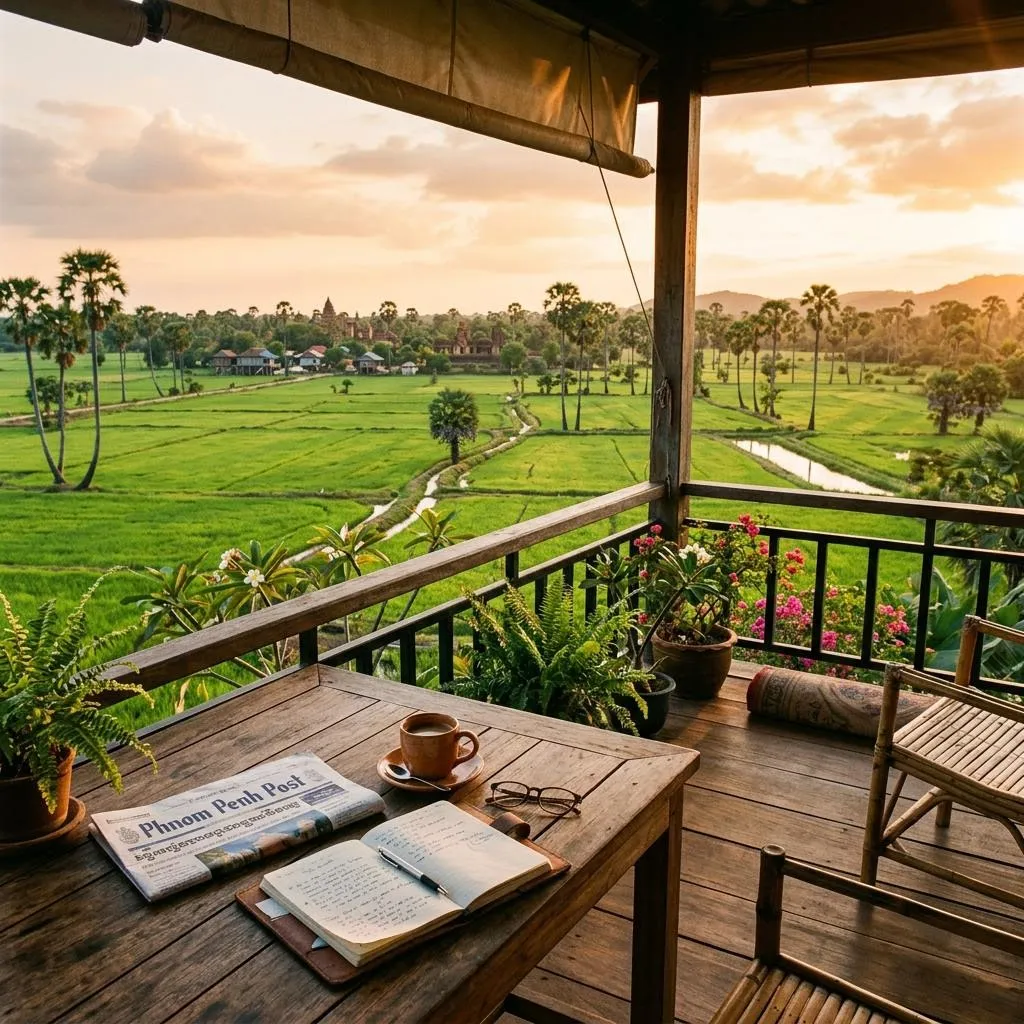
START WITH THE LIFE YOU WANT TO LIVE
Buying property in Cambodia begins with a practical question: what do you want the home to do for you? A city base for regular visits has different needs from a full-time residence. A home intended for tenants requires a different plan again. Start with the purpose rather than a photograph, a discount or a forecast of future growth.
Cambodia offers a wide range of settings. Phnom Penh has apartment towers, established residential streets and business districts. Siem Reap has a slower rhythm shaped by its cultural landscape and tourism. Coastal locations offer another kind of lifestyle. None of these places is one uniform market, and a good choice in one neighbourhood may be unsuitable a few streets away.
Write down your essential requirements before browsing. Include your budget, preferred location, likely time in the country, space needs and tolerance for maintenance. Then separate those essentials from features you would simply enjoy. This short exercise makes conversations with property professionals more useful and reduces the risk of buying something that does not fit your daily life.
UNDERSTAND WHAT A FOREIGN BUYER CAN OWN
The distinction between land and an eligible condominium unit is fundamental. Foreign individuals generally cannot own Cambodian land directly. A detached house on a plot is therefore not legally equivalent to an apartment in a qualifying co-owned building. Marketing terms such as freehold, foreign ownership or investment property do not settle the legal position of a particular purchase.
Cambodia permits legally qualified foreigners to own certain private units in co-owned buildings above the ground floor, subject to restrictions. BNG Legal explains that the foreign ownership limit is calculated by reference to the total surface area of private units, with a ceiling of 70%. This is not simply a promise that any advertised apartment is available to any overseas purchaser.
Ask an independent Cambodian lawyer to check the building's eligibility, the unit's title, the remaining foreign ownership capacity and any location restrictions. A seller's statement is not a substitute for these checks. Do not assume a nominee arrangement, a company or a trust removes risk or creates direct land ownership. Complex structures need their own legal, regulatory and tax assessment before you commit.
CHOOSE A LOCATION THROUGH EVERYDAY RESEARCH
A sensible location search goes beyond the city name. Visit the area on a normal weekday and again in the evening. Check the route to food shops, medical services, schools if relevant and the places you expect to spend time. Test journey times at busy periods. A short distance on a map can feel very different in traffic or heavy rain.
Ask about drainage, flood history, construction nearby and future road works. Look at the immediate street as carefully as the building itself. Consider lighting, pedestrian access, noise and the availability of transport. Speak with residents where possible, but treat individual experiences as useful clues rather than definitive evidence about the whole neighbourhood.
International buyers should also check current travel advice before arranging visits. Border areas need particular care, and conditions can change. A property purchase does not itself provide permission to live or work in Cambodia. Immigration, residency and health insurance questions should be checked separately, so the housing plan and the practical plan for using it remain consistent.

BUILD A COMPLETE PURCHASE BUDGET
The advertised price is only one part of the cost. Your working budget should allow for legal advice, registration and transfer charges, currency conversion, bank fees and any applicable taxes. Ask for a written breakdown based on the actual transaction. Rates, exemptions and who pays particular charges can depend on circumstances, so generic online calculators are not a final quotation.
Budget for the home after completion as well. A condominium may have management charges, a reserve fund, insurance requirements and separate charges for parking or facilities. You may also need furniture, appliances, internet installation and ongoing repairs. Ask whether quoted floor areas are internal, gross or include shared space, since this affects meaningful price comparisons.
Keep a contingency rather than spending the full available amount on the contract price. If your savings are in pounds or euros and the transaction is priced in US dollars, exchange movements can alter the final cost. Use an authorised payment provider, understand transfer limits and obtain independent advice before making large international payments.
APPOINT ADVISERS WHO REPRESENT YOU
An agent can help organise a search and arrange introductions, but that is not the same role as an independent lawyer or surveyor. Before appointing anyone, ask what they do, how they are paid, whose interests they represent and what their written terms cover. Clarify whether a recommendation involves a referral fee or another commercial relationship.
Choose legal advice that is independent of the seller and developer. Give the adviser enough time to inspect the documents and explain the findings in a language you understand. A very short reservation deadline is not a reason to skip due diligence. If key papers are missing or a question remains unanswered, pause the transaction until the position is clear.
Where building condition matters, use an appropriately qualified professional to assess it. A viewing is not a structural inspection. An adviser should be able to distinguish cosmetic defects from issues affecting safety, water penetration or future cost. Written reports and defined responsibilities are more useful than broad reassurances that everything is standard.
CHECK THE TITLE AND THE PROPERTY
The legal review should establish who owns the property, whether they can sell it and what exactly is being transferred. Your lawyer should check the relevant records for mortgages, charges, disputes and other restrictions. The seller's identity and the unit description must match the documents. Copies supplied for marketing should be verified through the proper process.
For an apartment, examine the legal status of the co-owned building and the individual unit. Ask about building approvals, completion documentation, management arrangements and rights over common areas. Confirm access, parking and the use of shared facilities. A roof terrace or storage space shown during a viewing may not automatically form part of the property you are buying.
Physical checks should include plumbing, electricity, ventilation, windows and signs of leaks. In a managed building, ask how lifts, fire systems and backup power are maintained. Request a clear list of included fittings. If practical, arrange an inspection in conditions that reveal drainage or water problems rather than relying only on a dry, sunny visit.

TREAT OFF-PLAN PURCHASES AS A DIFFERENT RISK
An unfinished home adds construction and delivery risk to the usual purchase questions. Review the developer's track record, but do not assume earlier completions guarantee the next project. Your adviser should check rights over the site, permits, funding arrangements and the contract's protections if delivery is late or the specification changes.
Ask when payments become due and what evidence supports each milestone. Understand whether money is protected, what happens if the developer becomes insolvent and which remedies are realistically available. A show apartment is an illustration, not a complete specification. Obtain written details of materials, fittings, dimensions, common facilities and the process for reporting defects.
Rental guarantees and buy-back promises deserve separate scrutiny. Identify the company making the promise, the conditions attached and what happens if it cannot pay. A guarantee is not stronger than the party responsible for it. Model the purchase without promotional benefits so you can see whether it remains affordable if those benefits do not materialise.
READ THE CONTRACT BEFORE PAYING
Reservation money can create obligations before the main sale agreement is signed. Have every document reviewed before transferring a deposit. The contract should identify the parties, the precise property, the price, payment dates and the conditions for completion. It should explain refunds, default, termination, dispute resolution and which language version governs if translations differ.
Do not send money simply because payment instructions arrive in an email or messaging app. Confirm bank details through a separate trusted channel and verify the account holder. Keep copies of the signed agreement, receipts and transfer records. Your lawyer should explain when legal ownership passes and what must happen before each major payment.
Agree how the property will be handed over. This includes keys, access cards, meter readings, furniture, defects and outstanding service charges. The final inspection should compare the delivered home with the contract. Where an issue is unresolved, follow professional advice on documenting it and protecting your position rather than accepting an informal promise.
PLAN FOR OWNERSHIP, NOT JUST COMPLETION
If you will be away, decide who can inspect the property and deal with urgent repairs. Ask a management company for a written scope of work, charges, reporting arrangements and spending limits. Letting a home introduces additional questions about licences, tenant deposits, insurance, taxes and the building's rules. Short stays may be restricted even where long-term occupation is permitted.
Investment calculations should allow for empty periods, maintenance, management and selling costs. Avoid treating an advertised gross yield as money you will receive. Currency changes and tax obligations in more than one country may affect the result. Obtain advice based on your circumstances rather than assuming rules that apply to another buyer also apply to you.
Finally, consider your exit before you enter. Ask who might buy the property later, how ownership can be transferred and what documents a future buyer will need. Cambodia can offer a rewarding place to spend time, but no website can guarantee price growth or a quick resale. A careful purchase is one you understand, can afford and can manage without relying on optimistic assumptions.

KEEP A DOCUMENT FILE AND A DECISION RECORD
A useful purchase file is simple to maintain and valuable when questions arise. Keep a dated copy of the advertisement, the address, the seller's details and every written quotation. Store contracts and receipts separately from general marketing. Ask your lawyer which original papers you should receive and how they should be kept. Do not send identity documents to unverified recipients.
Make a record of important decisions as well. If you choose one neighbourhood over another, note the reason. If you accept a higher management charge, record what it includes. When your brief changes during the search, update it in writing. This helps you distinguish a considered compromise from a rushed response to sales pressure. It also makes discussions with family members or joint buyers more precise.
Joint ownership requires particular thought. Ask advisers how each person's rights will be recorded, who can authorise transactions and what happens if circumstances change. A future separation, death or inability to travel may be uncomfortable to discuss, but it can materially affect the purchase. Advice on succession and powers of attorney should fit the laws and documentation involved, rather than being copied from a home-country arrangement.
Before completion, create a clear list of anything still outstanding. It might include a document to be issued, a defect to be repaired or a charge to be settled. Give each item an agreed responsible person and ask your lawyer how it should be dealt with in the contract. A written handover record is more useful than an informal understanding about what will happen later.
Finally, protect your own decision process. A seller may legitimately want a prompt answer, but you should still have time to understand the commitment. Keep an independent communication channel with your advisers and do not rely on a single person to translate, recommend professionals and control payment instructions. A property purchase becomes easier to manage when responsibilities are separate, records are organised and unanswered questions remain visible.
MAKE YOUR NEXT STEP A WELL-INFORMED ONE
Prepare a short brief with your location preferences, property type, budget and intended use. Ask which opportunities have current, verifiable details and which questions still need an answer. Keep comparisons in writing so you can judge homes on the same basis. When advice is unclear, ask for it to be explained plainly before proceeding.
This article provides general information, not legal, financial or tax advice. The legal reference below explains the framework in more detail, while the World Bank offers useful context for understanding Cambodia's economy without relying on sales forecasts. Always check current rules with independent advisers. The best next step is not necessarily a deposit: it may be a better question, a second visit or a clearer budget.
Sources
Ready to look closer?
Set your criteria on our Cambodia property search, or contact our team with your questions.